Geoeconomic Confrontation: Top Short-Term Global Risk Fueling Geopolitical Conflict, Tariffs, Protectionism, and Supply-Chain Disruptions Driving Business Interruption
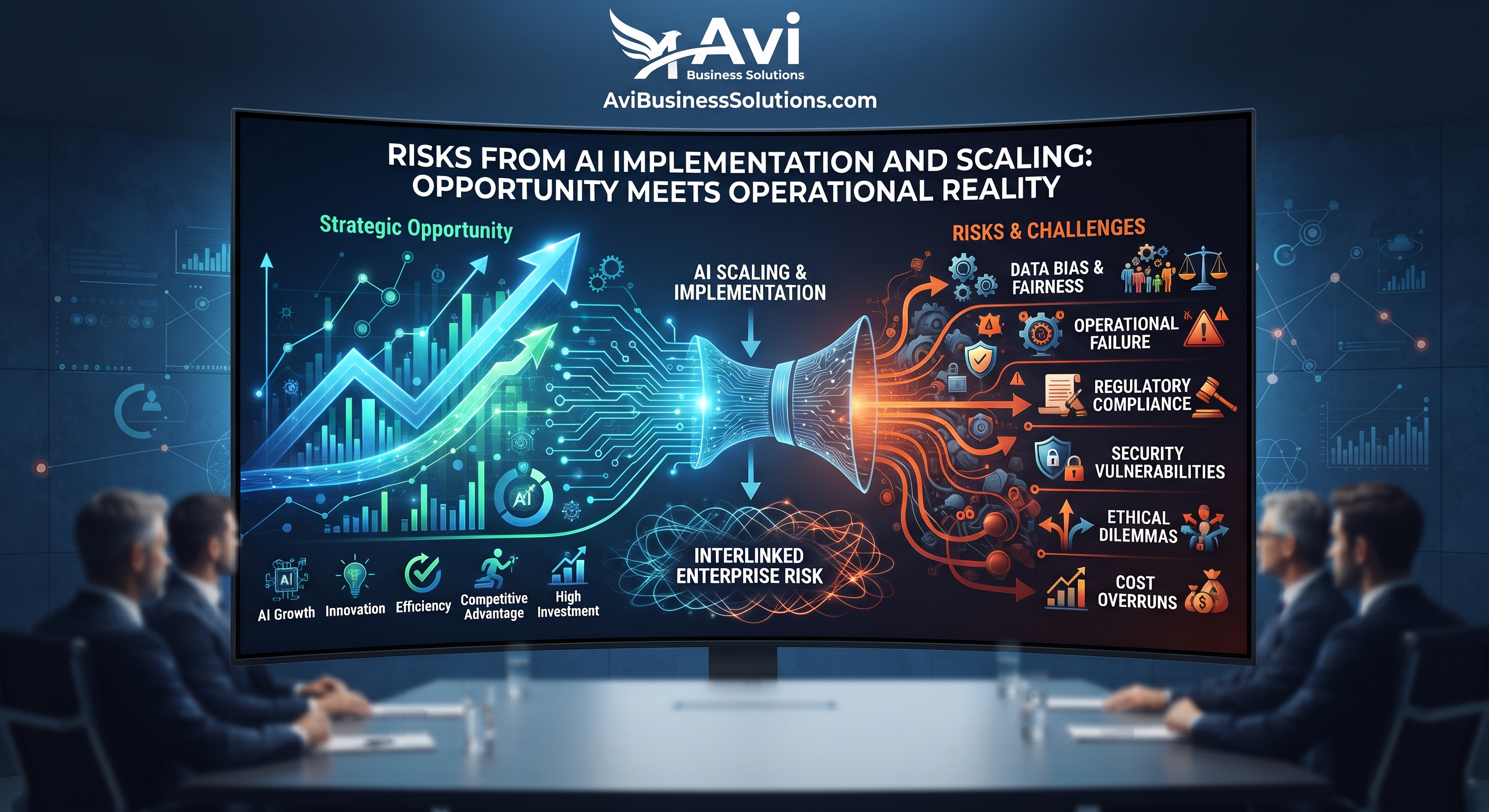 Geoeconomic Confrontation: Top Short-Term Global Risk Fueling Geopolitical Conflict, Tariffs, Protectionism, and Supply-Chain Disruptions Driving Business Interruption
In the WEF's Global Risks Report 2026, geoeconomic confrontation is the top risk most likely to cause a material global crisis in 2026 (selected by 18% of respondents in the Global Risks Perception Survey of over 1,300 experts). It's up two places from last year and ahead of state-based armed conflict (14%). It remains the top risk over the two-year horizon to 2028, up eight places.
For business leaders, this sharp escalation in geoeconomic confrontation is a stark reminder to incorporate political and economic risk factors into decision-making and contingency planning. By foregrounding this risk, you can anticipate the impact of disruptive policy shifts and market developments, better protect your business, and build greater resilience in a rapidly changing world.
The Age of Economic Competition
This is an age of competition in which economic instruments (tariffs, sanctions, export controls, investment screening, capital controls, etc.) serve as tools of competition rather than purely commercial ones. 68% of the respondents expect a multipolar or fragmented order in the next 10 years. Economic risks have increased significantly, with both a downturn and inflation rising 8 places in the two-year rankings. The report cautions that confrontation threatens supply chains, the stability of the global economy, and the capacity for co-operation in the face of a shock.
Operational Disruption and Business Risk
These are real operational disruptors. Geopolitical conflict and geoeconomic confrontation rank as the second-highest business risk (after cyberattack) in Everbridge’s 2027 Global Risk & Resilience Outlook. Conflict, trade disputes, sanctions, and controls on critical materials can rapidly disrupt energy, logistics, and market access. Last year, 77% of organizations were caught by surprise by a geopolitical development, and 55% of C-suite teams have never run a geopolitical stress test. Half of organizations have either no formal critical event management strategy or a very limited one.
To address these vulnerabilities, run a geopolitical stress test to assess exposure across key risk areas and review your critical event management plans for gaps or outdated procedures. These practical first steps help you identify weak spots, learn from recent interruptions, and prioritize actions to improve business continuity.
Fuel Your Next Business Move
Need capital for inventory, payroll, or expansion? Explore a range of business finance options to meet your specific needs. Take the next step towards your business goals. For more information, go to: https://AviBusinessSolutions.com
Survey Data: Impact on Organizations
Riskonnect's 2026 New Generation of Risk survey of over 250 risk, compliance, and risk resilience professionals confirms the trend. Geopolitical risk (specifically the Iran conflict) was the top driver cited by 40% of respondents. Reported impacts included higher operating or production costs (65%), greater cyber threats (58%), supply chain and shipping disruptions (50%), and higher energy costs (49%). Only 19% of respondents said they were very well prepared to assess, manage, and recover from geopolitical risk (essentially the same as the previous year), and 31% of those with a plan said the impact was worse than they anticipated. Political risk has also moved up in the corporate rankings.
How the Risks Compound into Business Interruption: Interconnected Risks and Chain Reactions
Geoeconomic confrontation doesn't happen in a vacuum. State-level conflict and political violence create physical disruptions. Tariffs and trade restrictions add costs, compliance burdens, and reconfiguration requirements that ripple through fragile networks.
Maritime Chokepoints and Trade Shocks
Maritime chokepoints illustrate how quickly a shock can spread. The Strait of Hormuz alone carries a significant proportion of the world's oil and LNG trade. Any conflict-related closure or restriction in that strait has sent energy and fertilizer prices through the roof, with urea prices rising by as much as 80% in the documented 2026 incidents, and the impact on agricultural economies particularly severe.
The Red Sea is another concern; the South China Sea is a source of friction, and the Taiwan Strait always carries risks. Shipping nations have described these as a structural shift rather than a temporary shock. The result is longer routes, higher insurance, and insurance-driven route changes, all of which increased landed costs and extended transit times for manufacturers and retailers.
Upgrade Equipment. Keep Working Capital intact
Don't let a big piece of equipment purchase suck all the cash out of your reserves. Consider equipment financing and leasing to spread the cost over time. Look at your options here: https://AviBusinessSolutions.com.
Tariffs and the Cost Spiral
Tariffs have a magnifying effect. Under the new U.S. policy, average tariff rates rose significantly from the low single digits, generating substantial revenue and triggering retaliatory tariffs and supplier diversification. Surveys of logistics and supply chain executives show that about 40% of respondents cite both geopolitical conflict and higher tariffs as the principal trade risk over the next 12 months. The semiconductor and critical minerals chains are particularly vulnerable. China still has the vast majority of processing capacity for a range of rare earths and materials used in electronics, EVs, and defense, and has responded by tightening export licensing. Companies are seeing 30–50% cost increases on the materials in question, driving dual sourcing, inventory builds, and regional realignment.
Protectionism and Regulatory Fragmentation
Protectionism and regulatory fragmentation all add to the compliance burden. Investment screening, technology export controls, forced labor rules, and industry-specific duties all create a patchwork of regimes. You must track the origin, ownership, and end use of your materials through your multi-tier suppliers, but visibility is often limited. Earlier Riskonnect work found that while most organizations have business continuity plans for outages at their critical service providers, only a small proportion can actually go deep and monitor their tier 1 partners and their suppliers. Political risk has moved up the list, which has, in turn, led to investment delays, hiring freezes, and, in some cases, partial reshoring or friend-shoring.
The Realities of Business Interruption
Grow your business without juggling a dozen tools. HighLevel brings lead capture, CRM, AI-powered follow-up, appointment booking, and marketing automation together in one platform. Start your 14-day free trial at https://nyack.top/cyo and see what smoother growth looks like.

It's the textbook case of business interruption: production halts due to missing components, increased working capital from buffer stock, margin erosion from higher input and logistics costs, and revenue loss from delayed or diverted shipments. The knock-on effects are there too (cyber exposure from state actors exploiting the fragility of the situation) and pressure on talent/labor costs in the new manufacturing locations. Only a small proportion of companies see their supply chains as highly or "very" resilient, and preparedness for the secondary impacts (e.g., stockouts of inventory, spikes in logistics costs) is particularly poor (mid-teens in the most recent Riskonnect data).
Preparedness Gaps and the Durability Shortfall: Awareness Versus Readiness
The gap between awareness and capability is the same across the board. Everbridge points out that organizations have more threat intelligence than ever, but few have the processes in place ty act on it. Riskonnect's data shows that even among those with strategic geopolitical plans, many organizations experienced worse-than-expected outcomes, and few have deep, multi-tier visibility. Political risk and violence are up in the corporate threat rankings, but very little stress testing involves a maritime shock, a tariff shock, and an energy shock happening at the same time.
To close that readiness gap, you need to make it a habit to run regular scenario-based drills that test your ability to coordinate a response. Invest in the right tools and partners to provide end-to-end supply chain visibility, conduct multi-tier supplier audits, and keep cross-functional response teams in place. You need to formalize it so the leadership team has rehearsed the responses; then they can implement them when the threat occurs.
These shortcomings matter because the risks are interlinked and move very quickly. A sanctions package or chokepoint restriction can go from announcement to operational reality in days or weeks. Inventory strategies that worked against single-event shocks (pandemic lockdowns, the 2022 Ukraine invasion) won't be sufficient against concurrent, policy-driven pressures that are ongoing and evolving. Nearshoring and friendshoring will reduce some geopolitical distance in trade flows; they won't eliminate cost, capacity, and compliance friction, and they can, in fact, concentrate risk in a new location.
Strategic Implications and Forward Path: Organizational Responses and Strategies
Leading organizations are responding in several ways: mapping essential dependencies more thoroughly, dual- or multi-sourcing their most at-risk inputs, scenario planning that explicitly incorporates tariff increases and choke point closures, and embedding geopolitical monitoring into enterprise risk and continuity systems. Some are changing their footprint in response to the new reality, shifting toward regions with a more favorable political alignment while still maintaining some exposure for cost or technology reasons.
Digital tools for real-time tracking of tariffs, sanctions, and supplier risk are a big help, but they are only as good as the governance and decision-making rights that underpin them, and many organizations still lack those. Disruptions to semiconductor supply chains have led some companies (Toyota, for example) to improve resilience by building closer relationships with second- and third-tier suppliers, diversifying sources, and increasing transparency across their supply chains. In the tech sector, Apple has accelerated manufacturing diversification away from China, adding manufacturing in Vietnam and India. These are clear examples of how you can apply these sorts of measures to build resilience.
Keep Your Business Moving
Cash flow gaps shouldn't stop you. Consider business lines of credit, term loans, and revenue-based financing to find the right fit. Get started here: https://AviBusinessSolutions.com.
Financing is subject to lender approval, eligibility, and terms. Funding is not guaranteed.
Outlook: Persistent Volatility Ahead
The longer-term outlook remains extremely volatile. WEF respondents see geoeconomic confrontation as the dominant theme through 2028, with debt levels and the potential for asset bubbles adding downside risk to the economy. Ongoing conflicts and trade policy uncertainty (including specific pathways of US tariffs, judicial challenges to China's mineral leverage, and the regional maritime situation) will remain a major test of supply chain design. Environmental risks remain long-horizon and severe, though in the short term the focus has shifted to competitive and confrontational dynamics that will directly disrupt operations.
Business Interruption as a Structural Reality
Business interruption from these sources is no longer an occasional externality. It's a structural feature of the current risk environment. The firms best positioned to absorb shocks, protect margins, and maintain continuity treat political and geoeconomic monitoring, multi-tier visibility, and tested response playbooks as core capabilities, not something they do periodically. The others will face repeated, compounding disruption in an age where economic instruments are routinely deployed as tools of state strategy.
To help organizations prioritize their risk management resources effectively, leaders can use a fairly straightforward prioritization framework. Start by assessing risks by their potential impact on core operations, likelihood of occurrence, and the organization’s exposure. Then assess preparedness and how quickly each risk can escalate. The investments should be made in (1) the vulnerabilities that would have the greatest potential to disrupt revenue or operations, (2) the risks that are most likely to happen, and (3) the areas where there are gaps in readiness or where there are no tested plans. This will ensure finite resources are deployed where they deliver the most in risk reduction and resilience.
#Geoeconomics #GlobalRisks #SupplyChain #Geopolitics #BusinessInterruption
References and Further Reading
Below is a summary of the main reports, surveys, and news sources referenced throughout this text. Each source is linked for further exploration (links open in a new window):
- World Economic Forum (WEF) Global Risks Report 2026
- The primary source for global risk rankings, including the top placement of geoeconomic confrontation. Read the report
- Everbridge 2027 Global Risk & Resilience Outlook
- Source for business risk rankings, organizational preparedness statistics, and operational disruption data. Read the summary
- Riskonnect 2026 New Generation of Risk Survey
- Survey data on risk, resilience, and how geopolitical developments affect organizations. Explore Riskonnect research
- Maritime Chokepoint News and Analysis
- Articles on disruptions in the Strait of Hormuz, Red Sea, South China Sea, and Taiwan Strait. Strait of Hormuz: BBC News
Red Sea: Reuters Analysis
- Articles on disruptions in the Strait of Hormuz, Red Sea, South China Sea, and Taiwan Strait. Strait of Hormuz: BBC News
- U.S. Tariff Policy and Trade Statistics
- Coverage of recent U.S. tariff changes, their global impact, and perceptions of trade risk.
USTR Tariff Factsheet
World Bank: Global Tariff Trends
- Coverage of recent U.S. tariff changes, their global impact, and perceptions of trade risk.
- China Export Controls and Critical Minerals
- Context on China’s dominance in rare earths and export licensing responses.
Financial Times: China’s Rare Earths Strategy
Reuters: China Export Controls
- Context on China’s dominance in rare earths and export licensing responses.
- Corporate Case Studies: Supply Chain Resilience
- Examples of Toyota and Apple adjusting supply chains in response to geopolitical risk.
Toyota: Supply Chain Diversification - Nikkei Asia
Apple: Manufacturing Moves - CNBC
- Examples of Toyota and Apple adjusting supply chains in response to geopolitical risk.
- General Business Finance and Resilience Resources
- Referenced for information on business finance solutions.
Avi Business Solutions
- Referenced for information on business finance solutions.
This summary compiles the primary references cited and supporting resources for further reading on the risks, trends, and strategic responses discussed in the document.
Comments
Post a Comment